
The Neuroscience of Compassion
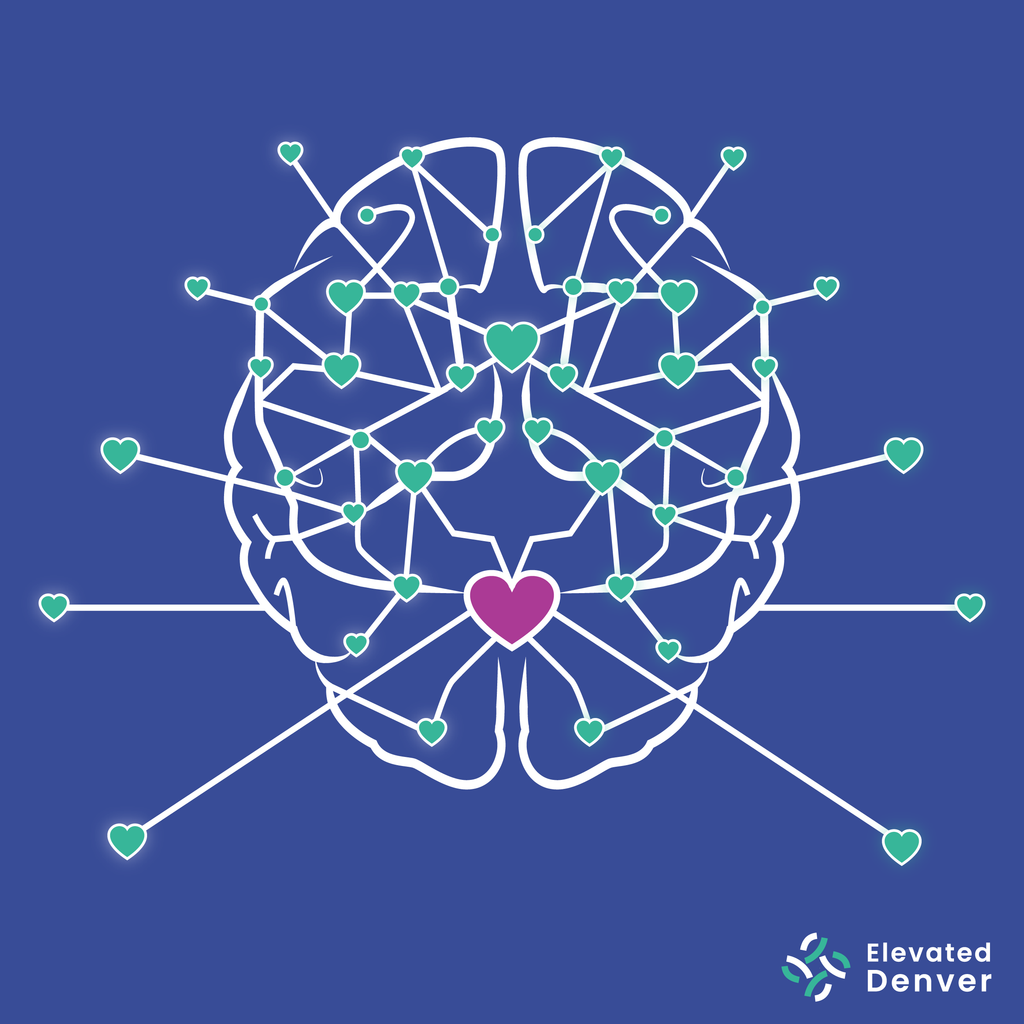
Compassion is the emotion that motivates people to relieve the physical, emotional, or mental pains of others. It isn’t weakness; it isn’t sentimentality. Compassion is one of the ways our brains are designed to respond to another human being. When we see suffering, something inside us is meant to ask, “What can I do?”
Randomized controlled trials have found that compassion-based training increases compassion, mindfulness, psychological well-being, and resilience while reducing anxiety, depression, and psychological distress. Other studies have linked compassion with healthier regulation of the nervous system through increased heart rate variability, a marker associated with emotional regulation and resilience.
Every act of compassion changes two lives: the person receiving it and the person giving it. Compassion doesn’t just strengthen communities; it literally strengthens the people who practice it.
When I read the research on compassion, one finding stood out: people with fewer resources often demonstrate greater compassion than those with more. Researchers were surprised by this. I wasn’t.
Since we started our work five years ago, time and time again, the first people to raise their hands, to ask how they can help, to volunteer, or even to make a donation have so often been the very people who have the least to give. People who know what it feels like to struggle. People who understand uncertainty. People whose own time, money, and energy are already stretched thin.
There’s something profoundly unfair about that. Those carrying the heaviest burdens should not also have to carry the greatest responsibility for easing the burdens of others. And yet so often they do.
But that shouldn’t let the rest of us off the hook. If anything, it should call us in. Studies also show that cultures rooted in collective well-being foster greater compassion and generosity. None of us were meant to carry life’s hardest moments alone. And perhaps the measure of a healthy community isn’t whether those closest to the pain continue to show up for everyone else, it’s whether the rest of us choose to meet them there.
Neuroscience confirms that our brains are built for connection, they’re built to recognize suffering. They’re built to find meaning in helping one another. But the question isn’t whether we’re capable of compassion. The question is whether we’ll choose to practice it. Because every time we do, we strengthen not only another person’s future, but our own humanity.